7 Winter Vehicle Preparation Tips for California
Winter vehicle preparation in California means getting your car ready for rain, cooler temperatures, slick roads, and longer nighttime drives—not necessarily snow. Check your tires, battery, wipers, lights, fluids, brakes, and emergency supplies before the season’s first major storm. These simple steps help keep Ventura drivers safe and avoid preventable repairs.

Why does winter vehicle preparation matter in Ventura, California?
Ventura’s winter weather is usually mild, but that does not mean driving conditions are risk-free. Rain can arrive suddenly after months of dry weather, leaving oil and debris on the road surface. Cooler mornings can affect tire pressure, while shorter days mean more driving in darkness.
California drivers may also travel to higher elevations, mountain communities, or snowy destinations during the winter. A vehicle that performs well near the coast may need additional preparation before a trip inland.
The goal is not to prepare for blizzards every year. It is to make sure your vehicle can handle:
- Heavy rain and standing water
- Wet or slippery pavement
- Reduced visibility
- Cold starts and cooler mornings
- Longer road trips and holiday traffic
1. Check your tires before the first big storm
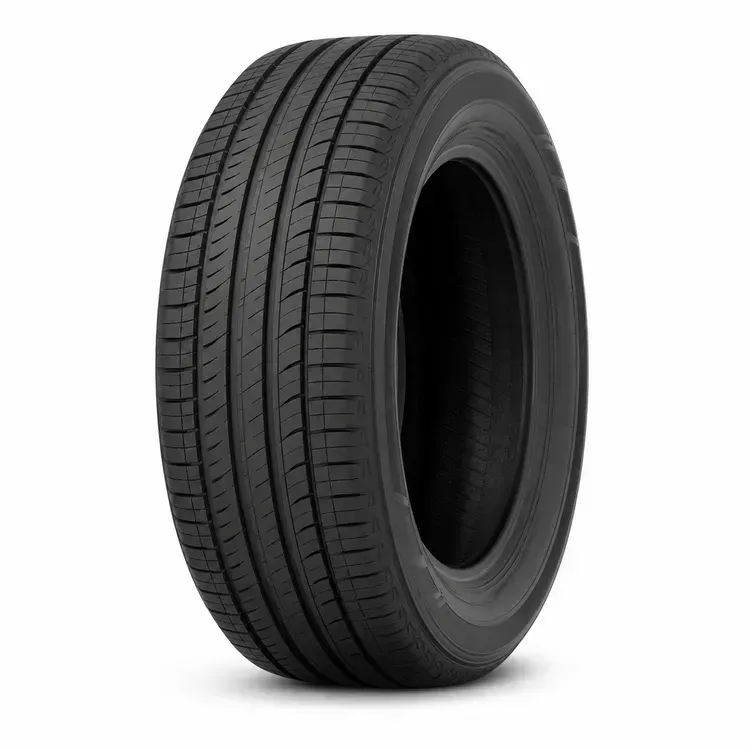
Tires are your vehicle’s only contact with the road, so they should be the first stop in your winter vehicle preparation checklist. Inspect the tread, sidewalls, and air pressure. Look for uneven wear, cracks, bulges, or objects stuck in the tread.
Adequate tread helps your tires move water away from the contact patch. Worn tires can lose traction more easily, especially when rain creates a layer of water between the tire and pavement.
Check these items:
- Tire pressure, including the spare
- Tread depth and uneven wear
- Sidewall damage or cracking
- Tire age and overall condition
- Proper tire rotation and alignment
Your vehicle’s recommended tire pressure is usually listed on the driver’s doorjamb label—not on the tire sidewall. If the car pulls to one side or the steering wheel vibrates, schedule an inspection through the shop’s services page .
2. Are your windshield wipers ready for rain?
Wiper blades often sit unused during California’s dry season. Heat, sun, and dust can make the rubber brittle before you notice a problem. Replace blades that leave streaks, skip across the glass, squeak loudly, or fail to clear water evenly.
Fill the windshield washer reservoir with quality washer fluid and test both the front and rear washers, if equipped. Do not rely on plain water, which can provide less cleaning power and may not perform well during colder travel.
Clean windows inside and out. A film on the interior glass can create glare from headlights and make nighttime visibility worse.

3. Test the battery and charging system
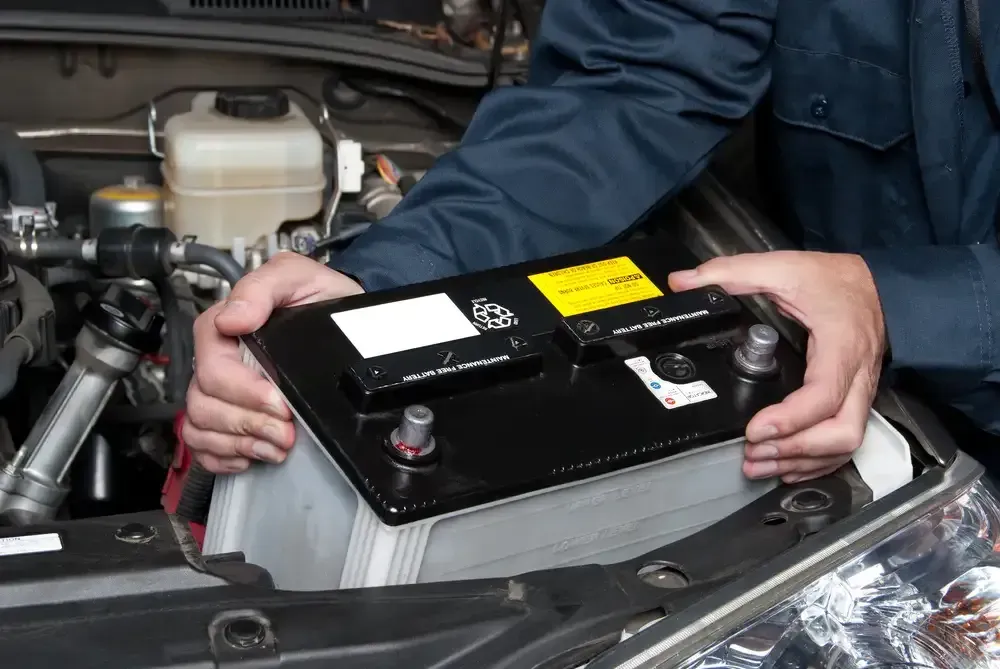
Cooler weather can make a weak battery more noticeable. If your battery is several years old, the engine cranks slowly, or the headlights dim when accessories are running, have the battery and charging system tested.
A complete check should include:
- Battery voltage and starting capacity
- Battery terminals and cable connections
- Alternator output
- Drive belt condition
- Signs of corrosion or fluid leakage
A battery that starts the car reliably today can still fail without warning. Testing is especially worthwhile before a holiday trip or a drive to a colder, higher-elevation area.
4. Which fluids should you inspect before winter?
Fluids support braking, cooling, steering, visibility, and engine protection. Check the levels shown in your owner’s manual and look for leaks beneath the vehicle.
Pay particular attention to:
- Engine oil and the recommended service interval
- Coolant level and condition
- Brake fluid
- Transmission fluid, when applicable
- Windshield washer fluid
Coolant is important even in Southern California because it helps regulate engine temperature year-round. Never open a hot cooling system. If you see an overheating warning, coolant puddle, or rising temperature gauge, stop safely and arrange professional service.
5. Inspect brakes, lights, and visibility equipment
Rainy roads require more stopping distance, making brake condition especially important. Have the brakes inspected if you hear grinding or squealing, feel a pulsation through the pedal, or notice the vehicle pulling while braking.
Test all exterior lights, including headlights, brake lights, turn signals, hazard lights, and license plate lights. Replace dim or burned-out bulbs promptly. Clean cloudy headlight lenses when possible, since reduced light output can affect visibility on dark, wet roads.
If your vehicle includes driver-assistance features such as automatic emergency braking or lane departure alerts, keep the cameras and sensors clean. Review your owner’s manual for any winter-weather limitations.
6. What should you keep in a winter car emergency kit?
A basic emergency kit can make an unexpected delay less stressful. California’s winter conditions may be mild, but rain, traffic, flooding, mechanical problems, and remote travel can still create hazards.
Keep these items in the vehicle:
- Flashlight and extra batteries
- Phone charger or portable power bank
- Jumper cables or a tested jump starter
- Reflective vest, warning triangles, and work gloves
- Drinking water, basic first-aid supplies, and a blanket
If you plan to drive toward the mountains, add tire chains or approved traction equipment when required, warm clothing, snacks, and a windshield scraper. Check road and weather conditions before leaving, and never drive through flooded roadways.
7. Prepare for longer winter drives
Holiday travel and weekend trips can put extra miles on a vehicle. Before leaving, confirm that routine maintenance is current and that the spare tire, jack, and lug wrench are present and usable.
Take a few minutes to:
- Check the maintenance reminder or service schedule
- Remove unnecessary weight from the trunk
- Confirm registration and insurance information
- Share your route with someone you trust
- Plan fuel and rest stops
For a clearer record of your vehicle’s condition, ask about digital inspections . Photos and inspection notes can help you understand which repairs are urgent and which can be planned for later.
California winter driving tips
Vehicle preparation works best alongside safer driving habits. Reduce speed when roads are wet, increase following distance, and avoid sudden braking or sharp steering. Turn on headlights during rain, even during daylight, and use low beams rather than high beams when visibility is limited.
Be cautious during the first rainfall after a dry stretch. Oil and residue can make the pavement especially slick. Watch for standing water, avoid cruise control in heavy rain, and never attempt to cross moving water.
When traveling to snow country, check whether your route requires chains or traction devices. Coastal California conditions can change quickly as elevation increases.
When should you schedule a winter inspection?
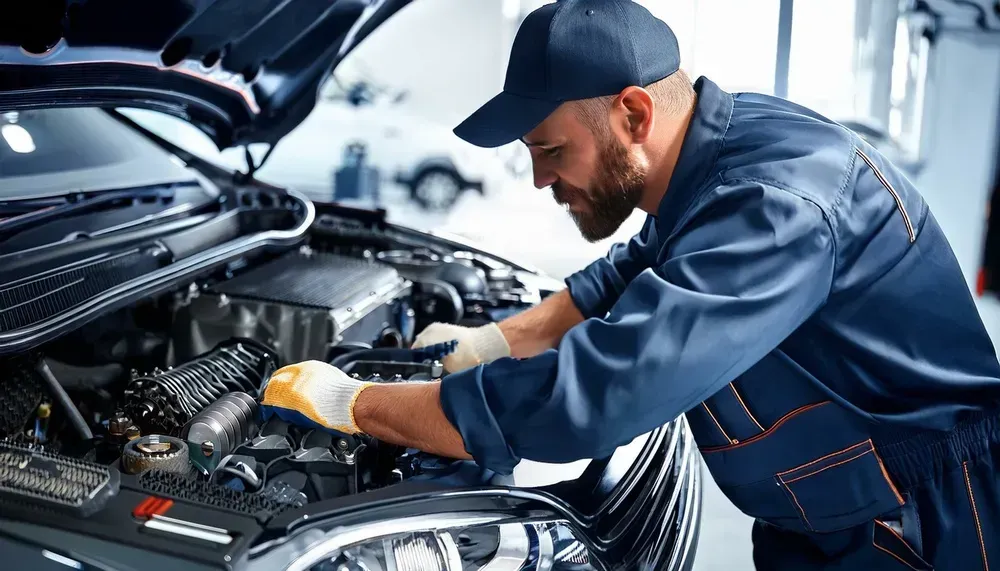
Schedule an inspection before the first major storm, before a long road trip, or whenever you notice changes in starting, braking, handling, or visibility. Booking early gives you more time to address worn tires, weak batteries, or overdue maintenance instead of dealing with them during bad weather.
A professional inspection is also smart if you recently purchased a used vehicle, have not serviced the car in several months, or are unsure whether a warning light is serious. You can contact the shop through the contact page to discuss your vehicle’s needs.
Final winter vehicle preparation checklist
Winter vehicle preparation in Ventura is mainly about rain readiness, dependable starting, clear visibility, and safe traction. Snow equipment may not be necessary for everyday coastal driving, but every vehicle should be prepared for wet roads and unexpected travel. Start with tires, wipers, battery, fluids, brakes, and lights, then add an emergency kit and review your route before longer trips. If something looks worn or a warning sign appears, have it checked before conditions worsen. Use this checklist as a seasonal reminder, and schedule an inspection when you want a professional assessment of your vehicle’s readiness.
Recent Posts